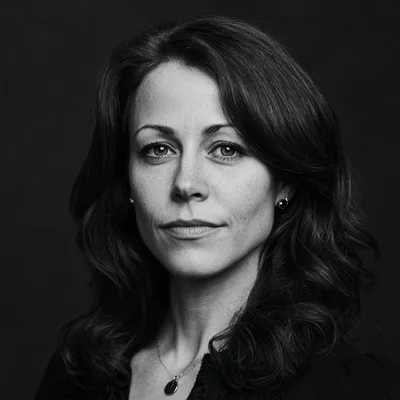

Michael Lines, a 34-year-old California man with bipolar 1 disorder, sued OpenAI in July, alleging that ChatGPT fueled his religious delusions. The lawsuit claims that ChatGPT persisted even when Lines told the chatbot he was worried he was being delusional.
Lines said the chatbot allegedly tried to coax him back to a delusional state after he woke up in the hospital following a near-fatal suicide attempt.
Lines told Ars that he is not religious in his baseline state but becomes more religious during manic episodes.
He worries that ChatGPT significantly deepened his religious delusions. “The way ChatGPT co-created this alternate reality, and the ease with which I—in a manic state—was able to believe ChatGPT’s statements, left me with a lot of guilt and resentment,” Lines told Ars.
He said if a human had fueled his delusions in this way, they’d be at least ethically, and in some instances legally, responsible for some of the harm he suffered.
Lines’ lawsuit claims that OpenAI’s failure to rein in ChatGPT was the “opposite of responsible design.” His legal team alleges that OpenAI is knowingly exposing members of the disabled community to unacceptable risks. “OpenAI didn’t just ignore Michael’s disability—it used it against him.
After he disclosed his bipolar diagnosis, the system incorporated that information to draw him deeper into harmful interactions instead of steering him toward safety,” said Matthew P. Bergman, one of Lines’ attorneys.
Last fall, OpenAI estimated that about a million users experience symptoms like mania or psychosis while using ChatGPT each week.
Lines’ lawsuit noted that ChatGPT’s popularity has only grown since then. “We are all vulnerable to OpenAI’s neglect,” Lines said in a press release from his legal team. “This vulnerability is significantly exacerbated for the more than 80 million people living with Bipolar Disorder and Schizophrenia worldwide—where ChatGPT’s purposefully sycophantic architecture actively preys upon those with mental health disabilities.”
OpenAI has yet to respond to Lines’ complaint.
A spokesperson declined to comment directly on the claims, telling Ars that Lines’ case is “an incredibly heartbreaking situation.” “We have continued to strengthen how ChatGPT responds in sensitive and acute situations with input from mental health experts,” OpenAI said. “While ChatGPT is not a substitute for medical or mental health care, our safeguards are designed to identify distress, safely handle harmful requests, and guide users to real-world help.
This work is ongoing, and we continue to improve it in close consultation with clinicians.”
Lines believes OpenAI could be doing more, and he hopes a jury will agree.
Among the relief he is seeking is an injunction requiring OpenAI to terminate conversations about self-harm and delete any models trained on chat sessions with vulnerable users during periods when appropriate safeguards were lacking.
If he prevails, OpenAI could also be forced to pay punitive damages and disgorge money gained from its allegedly unlawful practices.
Source: arstechnica


